
Welders build and repair the metal backbone of modern life. From building frames and staircases to pipelines, heavy equipment, trailers, industrial machinery, and structural supports, welding is one of the trades that quietly holds everything together. When welding is done well, the work looks simple and strong. When it is done poorly, the results can be dangerous, expensive, and difficult to fix.
If you are considering a career in welding, you are looking at a trade with real demand, strong skill development, and clear paths to specialization. Welding can also be a solid entry point into broader industrial work because it teaches safety discipline, precision, and how to read real-world specifications. The key is understanding what welding jobs actually involve, how people get hired, and what separates a beginner who struggles from a beginner who becomes valuable quickly.
This guide explains what welders do, the different types of welding, common industries, training paths that work, and how to break in even if you have no experience.
What welders actually do
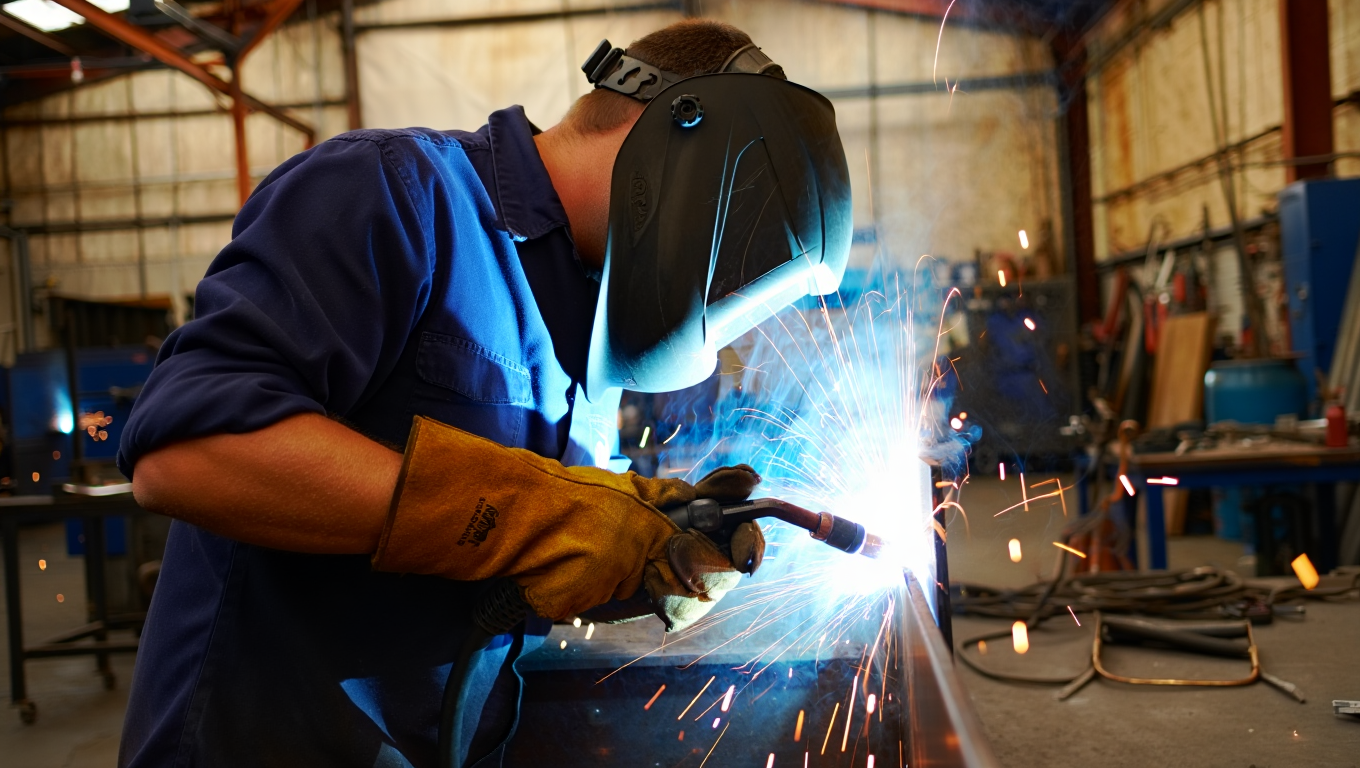
Welding is the process of joining metals by applying heat, pressure, or both, often using a filler material. In real job terms, welders fit, tack, and weld metal components so they meet the required strength and quality standards.
A welder’s day usually includes some combination of these tasks: reading drawings or weld symbols, measuring and marking material, cutting and prepping joints, fitting components to the correct alignment, tacking to hold parts in place, performing the weld, cleaning and finishing, and checking quality. Depending on the workplace, you may also work closely with fabricators, pipe fitters, ironworkers, machinists, or maintenance teams.
Welding is not only about the arc. Prep work is a huge part of the job. If the joint is dirty, misaligned, or poorly fitted, even a skilled welder can produce a weld that fails inspection. On the other hand, a welder with average technique but excellent prep habits can produce consistent, acceptable results. Many employers value the worker who understands the full process from layout to finish, not just the final bead.
The main types of welding you will hear about
If you are new to the trade, the different welding processes can feel confusing. The good news is that you do not need to master everything at once. Most welders start with one process, build confidence, then add others based on the jobs available in their area.
MIG welding
MIG is common in fabrication, manufacturing, and production environments because it is efficient and can be learned relatively quickly compared with some other processes. It is often used for shop work, structural components, and repetitive production welding. MIG jobs usually reward speed and consistency, but they still demand strong technique because a fast bad weld is still a bad weld.
TIG welding
TIG is known for precision and clean results. It is often used on thinner materials, stainless steel, aluminum, and jobs where appearance and control matter. TIG can be slower, and it often takes longer to develop steady hands, but it can open doors in higher precision fabrication, specialty work, and certain industrial environments.
Stick welding
Stick welding is common in construction, field repairs, and structural work because it can be more forgiving in outdoor conditions and on less-than-perfect surfaces. Stick is also widely used in pipe and structural applications. Many people respect stick skills because it demands control, heat management, and strong fundamentals.
There are other processes too, but these three are the most common starting points for many careers.
Where welders work and what the environment looks like
Welders work in a wide range of settings. The environment can influence both your daily routine and your long-term growth.
In fabrication shops, you may weld frames, railings, stairs, brackets, gates, or custom builds. Shop work can be steady and predictable, with consistent tools and controlled conditions.
In manufacturing, you may weld parts in a production line environment. The work can be repetitive, but it can also be stable and a solid entry point for beginners.
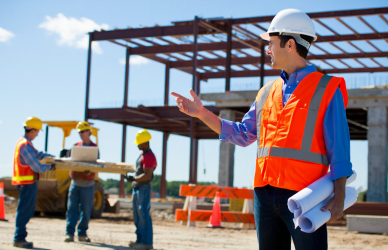
In construction and structural steel work, welders may work on job sites, sometimes at heights or in changing weather. The work often involves coordination with ironworkers and strict safety discipline.
In industrial maintenance and repair, welders may fix equipment, reinforce structures, repair cracked components, and respond to urgent breakdowns. This work can be unpredictable but valuable because problem-solving matters as much as welding skill.
In pipe and process environments, welding may be tied to higher standards, specific procedures, and testing requirements. This path can be more technical and may require additional qualifications over time.
Each environment has tradeoffs. Some people prefer the consistency of shop work. Others prefer field work because it feels more varied and often builds broader experience.
What makes a welder valuable to employers
Employers rarely hire welders based on confidence or talk. They hire based on results, safety habits, and consistency.
The first major factor is quality. Can you produce welds that meet required standards without constant rework? Rework is expensive. It costs time, materials, and reputation.
The second factor is reliability. Welding projects depend on timing. A welder who shows up consistently, communicates clearly, and finishes tasks becomes someone the team can plan around.
The third factor is safety. Welding involves hazards: heat, sparks, fumes, electricity, sharp edges, heavy materials, and sometimes confined spaces. Employers value welders who respect PPE, ventilation, fire watch practices, and safe handling of materials.
The fourth factor is your approach to prep and fit-up. A welder who understands joint preparation, alignment, and measurement is easier to trust than someone who only focuses on the bead.
Finally, attitude matters. Welding teams move fast. A teachable worker who takes feedback calmly will improve quickly. A defensive worker may never improve, even if they have potential.
How to become a welder
There are three common entry paths into welding. The best one depends on how quickly you need to earn and how much structure you want.
Starting in a shop as a helper
Many welders begin as helpers in fabrication shops. You might start by cutting material, grinding, cleaning parts, setting up work areas, moving steel, and assisting with fit-up. This is not wasted time. It teaches you shop flow, tool handling, and the realities of production.
If you show reliability and interest, you can earn practice opportunities and move into basic welding tasks under supervision. Some shops prefer this route because they can train you in the exact style and standards they need.
Trade school or technical programs
Trade school can be a strong option if it provides real hands-on booth time. Welding is learned through repetition. The more time you spend practicing correctly, the faster you improve.
A good program teaches safety, joint prep, welding positions, common processes, and basic blueprint and symbol reading. It should also teach you how to correct mistakes and diagnose problems, not just how to lay down beads.
The key is choosing a program that focuses on skill and employability, not just completion.
Apprenticeships and union pathways
In some regions and industries, welding skills develop through apprenticeship pathways connected to broader trades, such as ironwork, pipe fitting, or sheet metal work. In these routes, you may learn welding as part of a larger skill set, which can increase your long-term options.
If you are interested in structural or industrial work, an apprenticeship path can offer a strong training structure and clear progression. The right path depends on the work available where you live.
What to focus on if you are starting with no experience
If you have no welding experience, your goal is to become employable, not perfect.
Start by learning basic shop safety and tool handling. Understand how to work around sparks, hot metal, grinders, and heavy materials.
Then choose one welding process to focus on first based on local job availability. In many areas, entry roles lean heavily toward shop MIG work, but that is not universal. The right choice is the one that matches the jobs you can realistically get.
Build a simple portfolio mindset. You do not need a fancy website. You need proof that you can produce consistent welds. That might mean practice plates, a small set of photos of clean practice joints, or the ability to pass a basic weld test. Employers trust what they can see.
Also, get comfortable with the reality that welding is learned through correction. You will burn through wire, make ugly welds, grind them out, and try again. Improvement comes from repetition with feedback, not from talent alone.
What a welding test means and how to prepare
Many welding jobs include a weld test. The test can be simple or strict depending on the employer.
The purpose is to confirm that you can produce a weld that meets their needs. It also shows how you handle pressure, prep work, and instructions.
To prepare, practice the most common joint types for the jobs you want. Learn to set up your machine correctly. Learn how to control travel speed and heat input. Learn how to keep consistent angles and maintain stable movement. Learn how to clean and prep your joint so you are not fighting contamination.
A welder who understands setup and prep often performs better than a welder who relies only on confidence.
Common mistakes new welders make
Many beginners assume welding is about speed. In reality, control comes first. Speed is built on control.
Another common mistake is ignoring prep. Dirty metal, poor fit-up, and sloppy alignment cause weak welds and failed tests.
Beginners also sometimes hide mistakes instead of fixing them. Good welders identify defects early and correct them. Grinding out a bad weld is not failure. Leaving it in place is.
Finally, some beginners underestimate safety. Welding fumes, eye protection, burns, and fire hazards are real. A welder who treats safety casually often loses opportunities quickly.
Career growth and specialization opportunities
Welding has strong potential for people who keep building skill.
Some welders specialize in structural work. Others specialize in stainless or aluminum fabrication. Some move into pipe welding. Some become welding inspectors, leads, or supervisors. Some expand into fitting and fabrication, becoming the person who can build from plans, not just weld parts handed to them.
The highest long-term value often comes from combining welding with another skill, such as fitting, blueprint reading, rigging awareness, or mechanical troubleshooting. The more problems you can solve safely and consistently, the more you become a key person on the team.
Bottom line
Welders play a critical role in construction, fabrication, manufacturing, and industrial maintenance because they join metal components that must be strong, safe, and reliable. The fastest path into welding is to get hands-on practice, learn safety discipline, and build consistency through repetition and feedback. If you focus on one process, develop strong prep habits, and prove reliability, you can enter the trade and grow from there.