
Carpenters are the builders behind the structure and shape of most construction projects. When people picture construction, they often picture carpentry first: framing walls, setting beams, building forms, installing doors, hanging trim, and turning raw materials into functional spaces. Carpentry is one of the broadest trades, and that is part of what makes it a strong career option. You can work in residential construction, commercial builds, remodeling, concrete forming, or specialized finish work. You can stay on job sites or move into shop work. You can focus on speed and production or precision and detail.
Carpentry also teaches skills that transfer. Once you understand layout, measurement, and building systems, you can move into leadership roles, estimating, project management, or even start your own business.
This guide explains what carpenters do, the different carpentry specialties, how training works, what employers look for, and how to start even if you have no experience.
What carpenters actually do
Carpenters build, install, and repair structures and fixtures made from wood and other materials. In practical job site terms, carpenters interpret plans, lay out measurements, cut and assemble materials, and install components so they are square, level, and secure.
Carpentry can include structural work like framing walls and roofs, building stairs, setting forms for concrete, and installing sheathing. It can also include finish work like doors, baseboards, cabinets, trim, and detailed interior woodwork. Some carpenters specialize in commercial systems like metal studs, suspended ceilings, and architectural finishes.
A typical carpentry day might involve reading drawings, snapping chalk lines, measuring and cutting lumber or sheet goods, assembling framing, installing hardware, aligning components, and coordinating with other trades so work flows in the right sequence.
Carpentry is also a problem-solving trade. Job sites rarely match drawings perfectly. Floors can be out of level. Walls can be out of plumb. Openings can be slightly off. A strong carpenter knows how to correct and adapt while keeping quality high.
Main types of carpenters and specialties
Carpentry has many lanes. Choosing one depends on your interests and the work available in your area.
Framing carpenters
Framing carpenters build the skeleton of a structure. They frame walls, floors, and roofs, install sheathing, set trusses, and create the basic layout that other trades build on. Framing is fast, physical, and often outdoors. It rewards people who like momentum and teamwork.
Framers must understand layout, spacing, load paths, and how to keep structures square and plumb. Small framing errors can create major downstream issues, so accuracy matters even when the pace is high.
Finish carpenters
Finish carpenters focus on the details that people see and touch: trim, baseboards, doors, cabinetry, stair railings, and custom woodwork. Finish work tends to be more precise and often indoors. It rewards patience, fine measurement, and a strong eye for detail.
Finish carpenters often work later in the project, when everything needs to look clean and consistent. This lane can be satisfying if you like craftsmanship and visible results.
Formwork carpenters
Formwork carpenters build temporary structures that shape concrete. They create forms for foundations, walls, columns, slabs, and stairs. They work closely with concrete crews and need to understand strength, support, and alignment.
This lane can be physically demanding, but it can also lead to strong employment in commercial and infrastructure projects where concrete work is constant.
Commercial carpenters
Commercial carpenters often work with systems beyond traditional wood framing. Metal studs, drywall backing, suspended ceilings, architectural panels, and specialized commercial installations can fall into this category. Work is often structured, schedule-driven, and coordinated with many trades.
Commercial carpentry can be a strong long-term lane for people who like organized sites and larger projects.
Remodeling and residential carpenters
Remodeling carpenters work on renovations, additions, and repairs. This lane requires versatility because you might frame a wall in the morning, install a door in the afternoon, and fix a stair tread before the day ends.
Remodeling work often involves customer interaction, problem solving, and working in existing structures with surprises behind every wall.
What the job is like in real life
Carpentry is hands-on and physical. Expect early starts, lifting, bending, carrying materials, and being on your feet for long periods. Work conditions vary. Framing and formwork often happen outdoors. Finish work often happens indoors. Commercial work can include large sites with strict schedules.
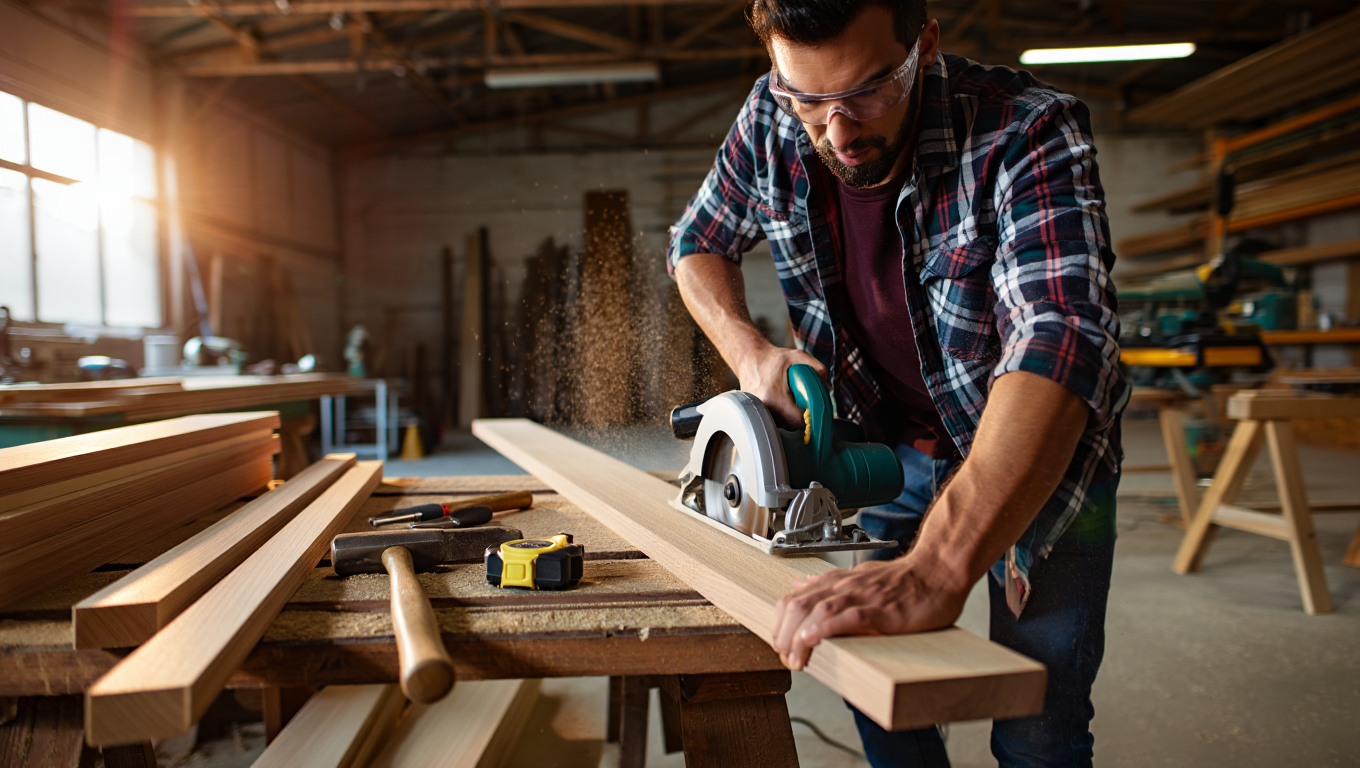
Carpenters also deal with a range of tools: saws, nailers, drills, levels, squares, layout tools, and sometimes laser equipment. Comfort with tools is important, but safety and control matter even more. Many injuries in carpentry come from rushing, careless cutting, and poor lifting habits.
If you are new, the first few weeks can be tiring. Most people adapt with time. The key is hydration, proper lifting, safe tool handling, and pacing yourself so you can work consistently.
Skills that make carpenters valuable
Carpentry rewards people who are accurate, steady, and dependable.
Measurement and layout are foundational. A carpenter who can measure precisely, read a tape accurately, and mark clean layout lines becomes useful quickly.
Understanding level, plumb, and square is another major skill. These concepts control quality. If a wall is out of plumb, everything that attaches to it becomes harder.
Tool handling matters. Knowing how to use saws, nailers, and drills safely and efficiently increases speed and reduces mistakes.
Problem solving matters because job sites are full of surprises. The best carpenters adapt without compromising quality.
Communication matters because carpenters often coordinate with foremen, other trades, and sometimes clients. Clear communication prevents rework and keeps the schedule moving.
How to become a carpenter
There are three common entry paths into carpentry.
Start as a helper or laborer
Many people begin as a carpenter’s helper. You might carry lumber, set up tools, cut simple pieces, clean work areas, and assist with layout tasks. This is a strong way to learn because you are on site every day observing how real carpenters work.
If you show reliability, you will often get more responsibility quickly. Carpentry crews value people who can keep up, pay attention, and learn without constant supervision.
Apprenticeships
Apprenticeships are a structured path that combines paid work with training. You learn framing, finish work, safety, blueprint reading, and construction math. Over time, you progress toward journeyman level competence.
Apprenticeships can be a great fit for people who want a clear ladder and formal development.
Trade school or carpentry programs
Some people start with carpentry programs at technical schools. This can build confidence and basic skills before you step onto a job site. The best programs include hands-on work, tool training, and job readiness.
Trade school is most valuable when it helps you become productive quickly and avoid beginner mistakes that cause accidents or rework.
How to get hired with no experience
If you are starting from zero, your goal is to show that you are reliable, safe, and teachable.
Construction companies know they can teach carpentry skills. What they cannot teach easily is attitude and consistency.
Here is what helps you stand out:
Be on time, every day, without excuses.
Be willing to do entry-level tasks like cleanup and material handling without complaining.
Listen carefully and ask questions when you are unsure.
Show basic tool awareness and safety habits.
Have reliable transportation and be ready for early starts.
On your resume, highlight any work that proves physical endurance and reliability. Warehouse work, moving, landscaping, deliveries, and general construction labor all translate well. If you have done home projects, you can include a small projects section describing what you built and what tools you used.
In interviews, be honest about being new, then explain what you are doing to learn and why you want carpentry specifically.
Common beginner mistakes to avoid
Many new carpenters get into trouble by rushing. Rushing leads to miscuts, injuries, and wasted materials.
Not checking measurements twice is another classic issue. One wrong cut can waste lumber and slow the crew.
Not maintaining a clean work area creates hazards and makes you look careless.
Pretending you understand instructions when you do not can also cause costly mistakes. Ask questions early.
The crew will respect a beginner who is careful and improving. They will not respect a beginner who acts overconfident and creates problems.
Career growth and long-term opportunities
Carpentry has clear progression.
You can move from helper to apprentice to journeyman. From there, you can become a lead carpenter or foreman. Many carpenters move into supervision, estimating, project management, or start their own contracting businesses.
Carpentry also allows specialization. You can become a high-end finish carpenter, a formwork specialist, a framing production expert, a commercial systems carpenter, or a remodeling pro. Each lane has its own market and opportunities.
Long-term success often comes from combining carpentry skill with leadership and communication. The carpenter who can build and also manage people becomes hard to replace.
Bottom line
Carpenters are essential because they create the structure and finish of buildings. The trade offers many specialties, strong skill development, and clear paths to growth. If you want to start, the best approach is to get onto a crew, learn safe tool habits, build measurement confidence, and prove reliability. Once you do that, responsibility and pay tend to rise with skill.