
When someone says “construction people,” they usually mean everyone involved in building and maintaining the physical world around us. Homes, office buildings, warehouses, schools, roads, sidewalks, water lines, power systems, and renovations all exist because teams of construction workers show up, coordinate, and execute thousands of details correctly.
Construction is not one job. It is an ecosystem of roles. Some people work with tools all day. Some run equipment. Some plan, inspect, measure, and manage the work. Some specialize in a single system, while others support the entire site by keeping materials moving and tasks organized.
If you are thinking about a career in construction, or you simply want to understand who does what on a job site, this guide breaks it down in plain language. You will learn the main roles, how crews function day to day, what employers look for, and how people typically move up over time.
What does “construction people” include
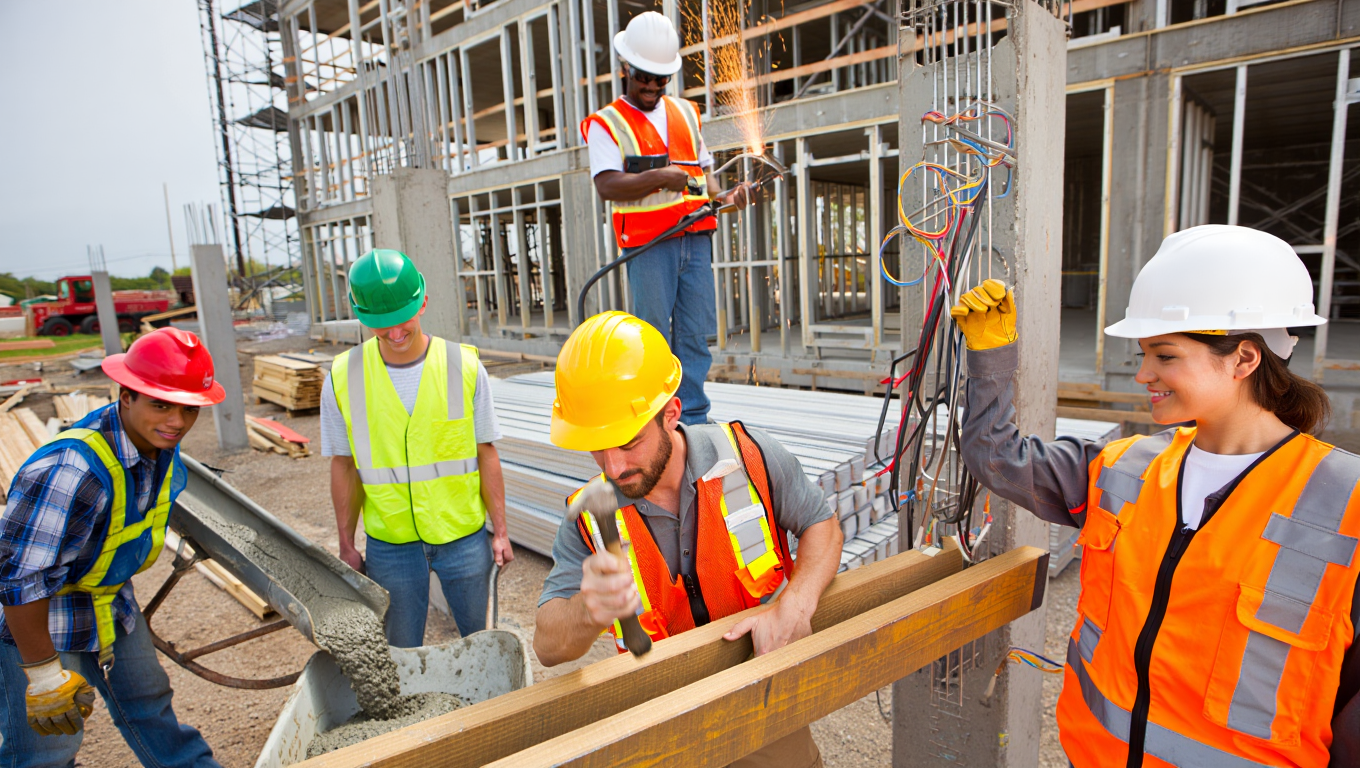
Construction people include both skilled and entry-level workers, plus leadership and support roles that keep projects on track. On most sites, you will see a mix of:
General laborers and helpers who handle physical tasks and support skilled trades
Skilled tradespeople who install and repair specific systems, such as carpenters, electricians, plumbers, and welders
Equipment operators who run machines that move earth and materials
Supervisors and foremen who coordinate daily tasks and maintain safety standards
Project and office roles, such as superintendents, project managers, estimators, and schedulers
Inspectors and safety roles that verify work quality and compliance
Even on a small residential job, you still have a network of people working together, even if some of them are off-site.
The core job site team and what each role does
Every construction project needs a structure of responsibility. Without clear roles, work becomes chaotic fast.
Construction laborers and helpers
Laborers are the foundation of many job sites. They may unload materials, set up work areas, assist tradespeople, clean debris, move tools, build temporary supports, and handle general tasks that keep the site moving.
This role is often the entry point for beginners because you can learn job site culture, safety basics, and trade exposure quickly. A strong laborer becomes valuable by being reliable, staying aware, and anticipating what the crew needs next.
Skilled tradespeople
Tradespeople do specialized work that requires training and experience. Examples include carpenters, drywall installers, concrete finishers, electricians, plumbers, pipefitters, HVAC technicians, welders, and masons.
Skilled tradespeople typically work from plans, measurements, and standards. Their work affects everything that comes after it. If framing is off, drywall suffers. If plumbing rough-in is wrong, finishes must be torn out. If electrical is not done properly, safety is compromised.
This is why skilled trades are respected on site. They carry a lot of responsibility and their work is often inspected.
Heavy equipment operators
Operators run machines like excavators, loaders, dozers, graders, compactors, and lifts. They handle site prep, trenching, grading, loading, and many other tasks that shape a project’s pace.
Operators often coordinate closely with ground crews because equipment work is team work. A good operator protects the crew by maintaining control, respecting safety zones, and communicating consistently.
Foremen
A foreman is the working leader of a crew. Foremen plan the day, assign tasks, coordinate with other trades, solve problems on the ground, and enforce safety expectations.
Foremen are often promoted from experienced tradespeople or operators who have proven they can lead, communicate, and keep standards high. A good foreman keeps the crew productive without cutting corners.
Superintendents
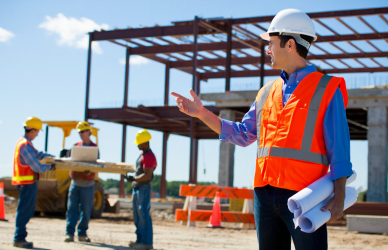
Superintendents oversee the day-to-day operations of an entire job site. They coordinate multiple crews and subcontractors, manage site logistics, enforce safety and quality standards, and keep the project moving according to schedule.
On large projects, the superintendent role is critical because there are many moving pieces: deliveries, inspections, subcontractor sequencing, site access, weather impacts, and change orders.
Project managers and office support roles
Project managers handle planning, budgets, communication, contracts, scheduling, and coordination with clients and subcontractors. They may not be on the tools every day, but their decisions affect the work on site.
Estimators, schedulers, and procurement staff also support construction by pricing projects, planning timelines, ordering materials, and making sure the job has what it needs when it needs it.
How all these roles work together on a real job site
Construction is not a straight line. It is a sequence of steps that must happen in the right order. When sequencing breaks, the project loses time and money.
A simple example is a building interior. You cannot install finished flooring before mechanical and electrical rough-in. You cannot close walls before inspections. You cannot paint before drywall finishing is complete. Every role depends on others finishing their part correctly.
This is why communication and respect matter so much on site. Construction people who understand the broader workflow become more valuable because they avoid mistakes that force rework.
Why construction people are always in demand
Construction never fully stops. Even when new construction slows down, maintenance, repairs, and renovations continue. Buildings age, systems fail, and businesses expand or remodel.
There is also constant replacement demand. Many workers retire or shift to different roles over time. That creates ongoing openings, especially for people who can show reliability and a willingness to learn.
The biggest demand tends to show up in roles that require experience and accountability, such as foremen, experienced operators, skilled tradespeople, and specialty installers. That is also where wages and stability often improve with time.
What employers look for when hiring construction workers
Many beginners think employers only care about experience. Experience helps, but most construction hiring decisions are based on trust and work habits.
Construction companies want people who:
Show up on time consistently
Follow safety rules without needing reminders
Take direction well and ask questions when unsure
Work hard without constant supervision
Communicate respectfully with the crew
Protect tools, equipment, and materials
Stay aware of hazards and job site movement
These traits matter because they reduce risk. A job site is not a place where careless behavior is tolerated for long.
If you are entry-level, you can stand out quickly by being dependable. Many employers would rather train a reliable person than hire someone with skills who causes problems.
The most common entry paths into construction
There are several ways people start working in construction. The best path depends on your timeline and your situation.
Starting as a laborer or helper
This is the fastest path for many people. You can often get hired quickly, build references, and learn what trade work feels like. Many workers begin here, then move toward a trade they enjoy.
Apprenticeships
Apprenticeships combine paid work with structured training. They are common in trades like electrical, plumbing, pipefitting, carpentry, and sheet metal. Apprenticeships can be highly respected because they build skill progressively and lead to recognized competence.
Trade school or short training programs
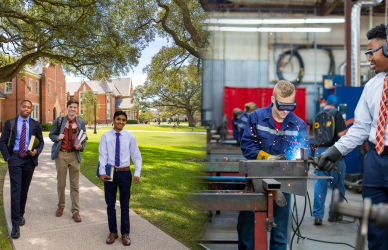
Some people start with trade school, especially for electrical, HVAC, welding, or equipment operation. The value depends on how hands-on the program is and whether it connects to real job placement. Training is most useful when it helps you become productive faster and safer on site.
Construction adjacent roles
Some people enter construction through related roles such as material handling, warehouse work for construction suppliers, delivery driving for building materials, or shop work in fabrication. These roles build industry familiarity and can lead to job site opportunities through relationships.
What a day in construction looks like for beginners
Beginners often worry about not knowing enough. Most crews do not expect you to know everything. They expect you to be safe, attentive, and hardworking.
A typical day for an entry-level construction worker might include:
Arriving early and preparing tools and materials
Attending a quick safety or planning meeting
Moving materials where the crew needs them
Assisting with measuring, staging, and setup
Cleaning as work progresses to reduce hazards
Learning basic tasks under supervision
The job can be physically demanding, especially at first. Your body adapts with time. The most important part is pacing yourself, staying hydrated, and following safe lifting and movement practices.
How construction workers move up over time
Construction has clear growth paths for people who stay consistent.
A laborer can become a lead laborer, then specialize into a trade. A helper can become an apprentice, then a journeyman. A journeyman can become a lead, then a foreman. Some foremen become superintendents. Some workers move into estimating, project management, safety, or quality roles.
The fastest movers are usually those who do three things well:
They learn continuously
They communicate clearly
They stay reliable even when the job gets tough
You do not have to be the strongest person on the crew to advance. You have to be the person the crew can count on.
Common mistakes new construction workers should avoid
If you are new, avoid the behaviors that make crews lose trust fast.
Showing up late or missing work without communication is one of the quickest ways to get removed.
Ignoring safety rules, even small ones, is another. Safety on site is not just personal. It affects everyone around you.
Pretending you understand instructions when you do not can cause expensive mistakes. It is always better to ask a question than to guess.
Complaining constantly or acting like tasks are beneath you will also hurt you. Entry-level work often includes cleanup, carrying, and support tasks. How you handle those tasks shows your attitude.
Why construction can be a strong career choice
Construction can provide steady work, skill development, and clear progression for people who like hands-on work and want to see results at the end of the day. Many roles offer opportunities to earn more as you gain competence. The work also builds confidence because you learn real skills that can be used in your personal life as well.
It is not an easy field. It can be early mornings, long days, and changing conditions. But for many people, the pride of building something real, the team culture, and the growth path make it worth it.
Bottom line
Construction people are the teams who plan, build, install, operate, inspect, and coordinate the work that shapes communities. Every role matters, from laborers and helpers to skilled tradespeople, operators, foremen, and project leaders. If you want to enter construction, the most important starting point is not perfection. It is reliability, safety, and a willingness to learn. Once you build trust on a crew, your opportunities expand quickly.